
In a digital landscape driven by algorithms, user behaviour, and ever-evolving competition, success is no longer built on assumptions – it is engineered through structured, data-driven research.
At Digital Rebellion, every high-performing website, marketing campaign, and growth system we build begins with a disciplined and methodical research process. This is not academic theory – it is a commercial advantage.
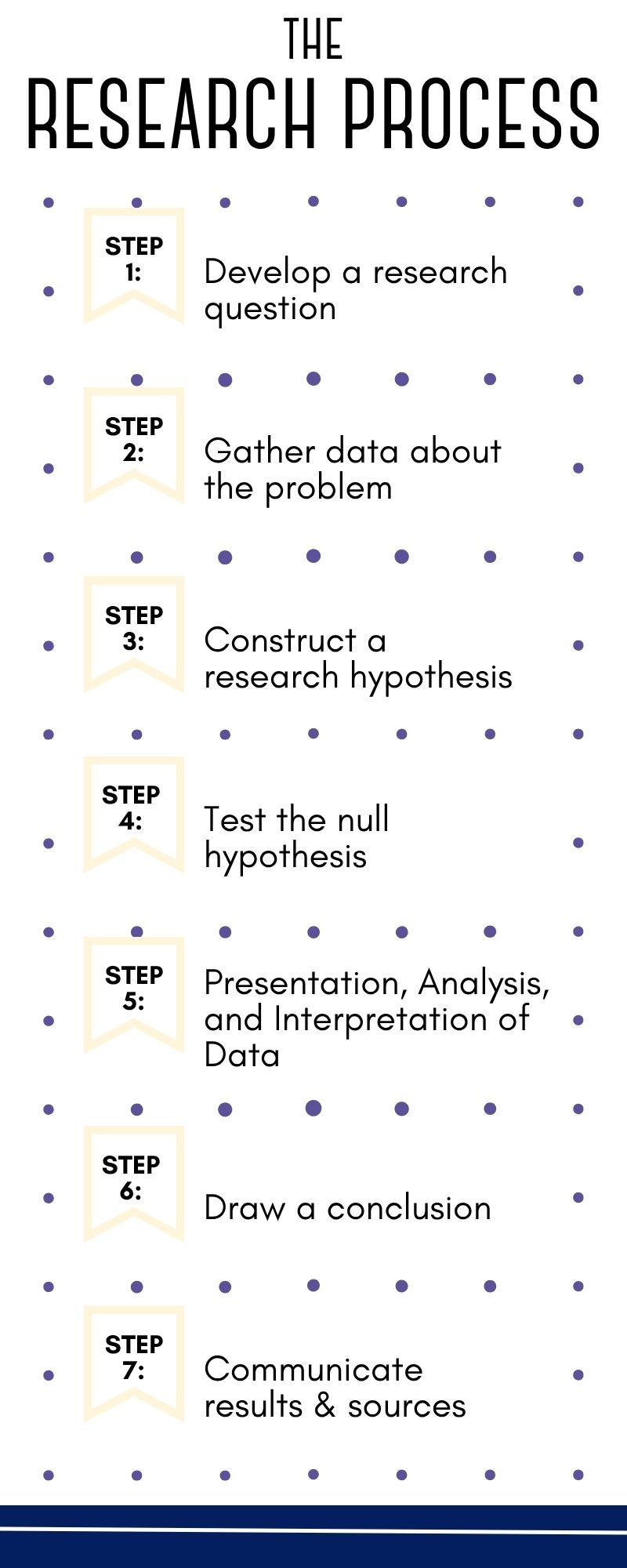
This article breaks down the 7-step research process we follow, and more importantly, how each step directly impacts real-world business performance, conversions, and scalability.
Why Research Matters in Digital Strategy
Before diving into the process, it’s important to understand the why.
Most businesses fail online for one simple reason:
They build before they understand.
Without research:
- Websites miss user intent
- Marketing targets the wrong audience
- SEO strategies chase irrelevant keywords
- Conversion funnels leak revenue
With research:
- Every decision is intentional
- Every asset has a purpose
- Every outcome is measurable
Step 1: Develop a Research Question
Every successful strategy begins with a clear, focused question.
In a digital context, this is not vague curiosity – it is a commercially driven problem statement.
Examples:
- Why is our website traffic not converting?
- Which channels generate the highest-quality leads?
- What is preventing users from completing checkout?
- How do competitors dominate specific search terms?
At Digital Rebellion:
We translate business problems into measurable research objectives, aligning them with:
- Revenue goals
- User behaviour
- Market positioning
A poorly defined question leads to irrelevant data. A precise one unlocks clarity.
Step 2: Gather Data About the Problem
Once the question is defined, the next step is data acquisition.
This is where most agencies fall short – relying on surface-level metrics instead of deep, layered insights.
Types of Data We Collect:
- User Behaviour Data (heatmaps, session recordings, analytics)
- SEO Data (keyword rankings, search intent, traffic sources)
- Technical Data (site speed, crawlability, indexing issues)
- Competitor Intelligence (content gaps, backlink profiles, positioning)
- Conversion Data (funnels, drop-off points, engagement metrics)
Tools & Systems:
- Google Analytics & Search Console
- SEO audit platforms
- CRM and funnel tracking systems
- Custom-built data dashboards
The Key Principle:
We don’t collect more data – we collect better data.
Step 3: Construct a Research Hypothesis
With data in hand, we move into strategic interpretation.
A hypothesis is an educated assumption that can be tested.
Example:
“If we simplify the checkout process, conversion rates will increase.”
Or:
“If we target long-tail keywords with transactional intent, organic leads will improve.”
Why This Matters:
Without a hypothesis:
- Changes are random
- Results are inconsistent
- Scaling becomes impossible
At Digital Rebellion, every recommendation is backed by:
- Data patterns
- Behavioural insights
- Market trends
Step 4: Test the Null Hypothesis
This is where strategy becomes execution.
The “null hypothesis” assumes no change will occur – and our job is to prove otherwise through testing.
What We Test:
- Landing page designs
- CTA placements
- Messaging and copy
- Pricing structures
- Funnel flows
- SEO content strategies
Methods:
- A/B testing
- Split testing
- Controlled experiments
- Iterative deployment
Real-World Impact:
Instead of guessing what works, we:
- Validate decisions
- Reduce risk
- Increase ROI
Step 5: Presentation, Analysis, and Interpretation of Data
Testing produces results – but results without interpretation are meaningless.
This step focuses on turning raw data into actionable insights.
Key Questions We Answer:
- What changed?
- Why did it change?
- Is the result statistically significant?
- Can it be scaled?
What We Deliver:
- Clear performance reports
- Visual dashboards
- Strategic insights
- Next-step recommendations
At Digital Rebellion, we don’t overwhelm clients with numbers – we translate data into business decisions.
Step 6: Draw a Conclusion
Now we determine whether the hypothesis was correct.
Outcomes:
- Validated → Scale the strategy
- Invalidated → Refine and retest
- Inconclusive → Gather more data
The Strategic Advantage:
Every conclusion builds:
- Institutional knowledge
- Competitive edge
- Predictable growth models
This is how we move from trial-and-error to repeatable success systems.
Step 7: Communicate Results & Sources
The final step is often overlooked – but it is critical.
Research has no value if it is not:
- Understood
- Documented
- Applied
What This Includes:
- Transparent reporting
- Clear communication
- Source validation
- Strategic alignment with stakeholders
At Digital Rebellion, communication ensures:
- Clients understand the “why” behind decisions
- Teams execute with clarity
- Strategies remain aligned with business goals
How This Process Drives Real Digital Growth
This structured research process allows us to:
1. Build High-Converting Websites
Every page is designed based on:
- User intent
- Behavioural data
- Conversion psychology
2. Execute Precision SEO Strategies
We don’t chase traffic – we target:
- High-intent keywords
- Competitive gaps
- Scalable ranking opportunities
3. Optimise Marketing ROI
Every campaign is:
- Tested
- Measured
- Refined
4. Create Scalable Growth Systems
We replace guesswork with:
- Proven frameworks
- Data-backed decisions
- Continuous optimisation
The Digital Rebellion Approach
Most agencies:
- Jump straight into design or ads
- Focus on aesthetics over performance
- Deliver once-off solutions
We do things differently.
We:
- Research first
- Build strategically
- Test continuously
- Scale intelligently
Because in today’s digital world, the businesses that win are not the loudest – they are the most informed.
Final Thoughts
The research process is not just an academic exercise – it is the foundation of every successful digital strategy.
By following a structured, data-driven approach, businesses can:
- Eliminate guesswork
- Improve conversions
- Outperform competitors
- Achieve sustainable growth
At Digital Rebellion, this is not optional – it is our standard.
Ready to Build Smarter?
If your website, marketing, or digital strategy is underperforming, the issue is rarely execution – it is usually a lack of structured research.
Let’s fix that.
Partner with Digital Rebellion and turn data into dominance.